




A Walk Through On The Shift From Manual Invoicing To
Electronic Invoicing
By: Atty. Rodel C. Unciano
"While automation has proved to be more efficient in documenting any form of business transaction including BIR tax reporting, our experience on the pilot implementation of the automated system would reveal, to some extent that we, as a nation are not yet capable for the full implementation of the use of electronic invoicing and electronic sales reporting system."
 Atty. Rodel C. Unciano +632 8403-2001 loc.380 |
Last week, I had the opportunity for discussion with a group of taxpayers on the proposed full implementation of the electronic invoicing and electronic sales reporting system by the Bureau of Internal Revenue (BIR).
The issuance of Revenue Regulations (RR) 11-2025 early this year implementing the e-invoicing and e-sales reporting system of the Tax Code, as amended by the Corporate Recovery and Tax Incentives for Enterprises to Maximize Opportunities for Reinvigorating the Economy (CREATE MORE), has indeed raised concerns for many taxpayers as the BIR, it seems, is now in a hurry for the mandatory implementation of the automated system in the days ahead.
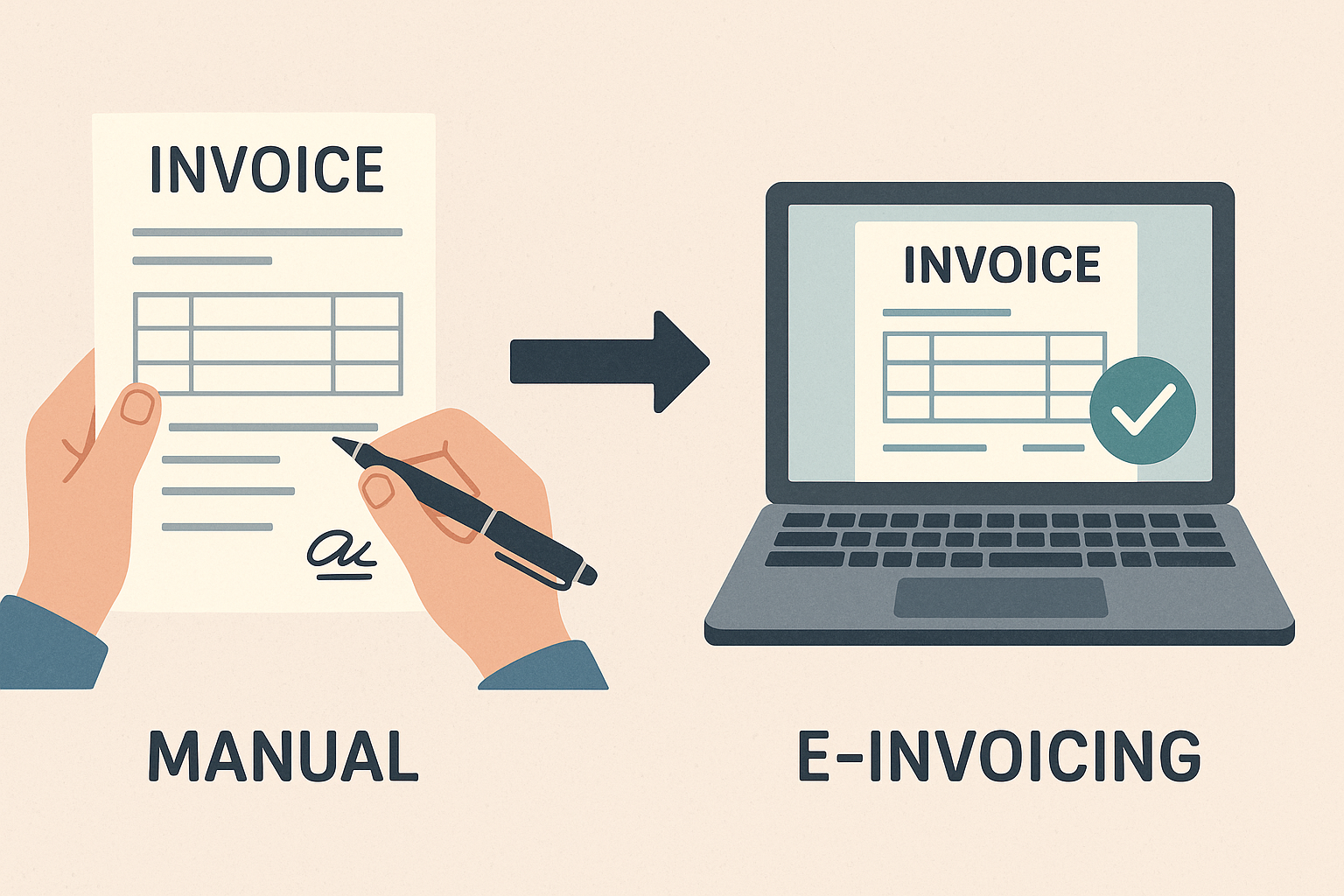 To recall, the use of electronic receipts, sales and commercial invoices, and electronic sales reporting system were introduced by the Tax Reform for Acceleration and Inclusion (TRAIN) Law in 2018 when it provided that within five (5) years from the effectivity of the Act and upon the establishment of a system capable of storing and processing the required data, the Bureau shall already require certain taxpayers to issue electronic receipts or invoices in lieu of manual receipts or invoices, subject to rules and regulations to be issued by the Secretary of Finance.
On the use of electronic sales reporting system, TRAIN law has likewise required certain taxpayers to electronically report their sales data to the BIR through the use of electronic point of sales system within five (5) years from the effectivity of the Act and upon the fulfillment of the conditions on the implementation of electronic invoicing system.
However, five (5) years after the effectivity of the TRAIN Law and in fact, up to now, the use of electronic invoicing and electronic sales reporting system has not been fully implemented. While certain taxpayers were identified for the pilot implementation of the system in 2022, we have not heard of any successful development since then.
When CREATE MORE was subsequently passed into law late last year, it retained the proposed shift from the use of manual invoicing system to the use of electronic invoicing and electronic sales reporting system envisioned in TRAIN Law, and retaining as well essentially the same conditions for its full implementation as set forth in TRAIN Law but deleted the ‘within five-year effectivity clause introduced by TRAIN.
In implementing the provisions of CREATE MORE, the Department of Finance thus issued RR 11-2025 under which certain taxpayers are already made to mandatorily comply with the use of electronic invoicing within one (1) year from the effectivity of the regulations. So, that would be by March next year.
Electronic Invoicing is defined as the automated process of generating an electronic invoice in a structured invoice data which can be easily extracted electronically from the invoice, allowing automated electronic data processing. It involves the electronic exchange of an electronic invoice that records a transaction between a seller and a buyer. An electronic invoice is a system-generated invoice in a structured invoice data which can be easily extracted electronically and its data can be readily transmitted electronically to the BIR for electronic sales reporting. A photo or scanned copy of a paper invoice is not an electronic invoice.
On the other hand, Electronic Sales Reporting System is defined as the electronic reporting or process of storing, transmitting and/or receiving the electronic invoice data, through direct system-to-system data transfer without manual entry, to the BIR in a structured electronic format.
But how well are we ready to fully implement this envisioned shift from the manual invoicing system to the use of electronic invoicing and electronic sales reporting system? How ready is the BIR to fully establish a system capable of storing and processing the required data for the full implementation of electronic sales reporting system? This is the very condition laid down by law as a requirement for the full implementation of the system.
While automation has proved to be more efficient in documenting any form of business transaction including BIR tax reporting, our experience on the pilot implementation of the automated system would reveal, to some extent that we, as a nation are not yet capable for the full implementation of the use of electronic invoicing and electronic sales reporting system.
I am hopeful that in the days ahead, we shall soon be able to fully implement this system for the mutual benefit of the taxpayers and tax administrators.
The author is a partner of Du-Baladad and Associates Law Offices (BDB Law).
The article is for general information only and is not intended, nor should be construed as a substitute for tax, legal or financial advice on any specific matter. Applicability of this article to any actual or particular tax or legal issue should be supported therefore by a professional study or advice. If you have any comments or questions concerning the article, you may e-mail the author at This email address is being protected from spambots. You need JavaScript enabled to view it. or call 8403-2001 local 380.