





Avoiding Input Taxes for Exporters
By Atty. Fulvio D. Dawilan
"Thanks to CREATE MORE, taxpayers which may not be qualified and registered for tax incentives may enjoy the same VAT treatment as the VAT incentives for registered business enterprises, provided they qualify as EOEs. The inclusion of sales by local suppliers to EOEs and importations by EOEs in the list of transactions treated as zero-rated or exempted from VAT provides venue for EOEs to avoid incurring input taxes.”
 Fulvio D. Dawilan +632 8403 2001 loc.310 |
If you are an export-oriented enterprise, are you aware that you can avoid input taxes on your local purchases and importations? Yes, this VAT treatment is not limited to entities enjoying tax incentives granted by investment promotion agencies. This is also available to qualified exporters.
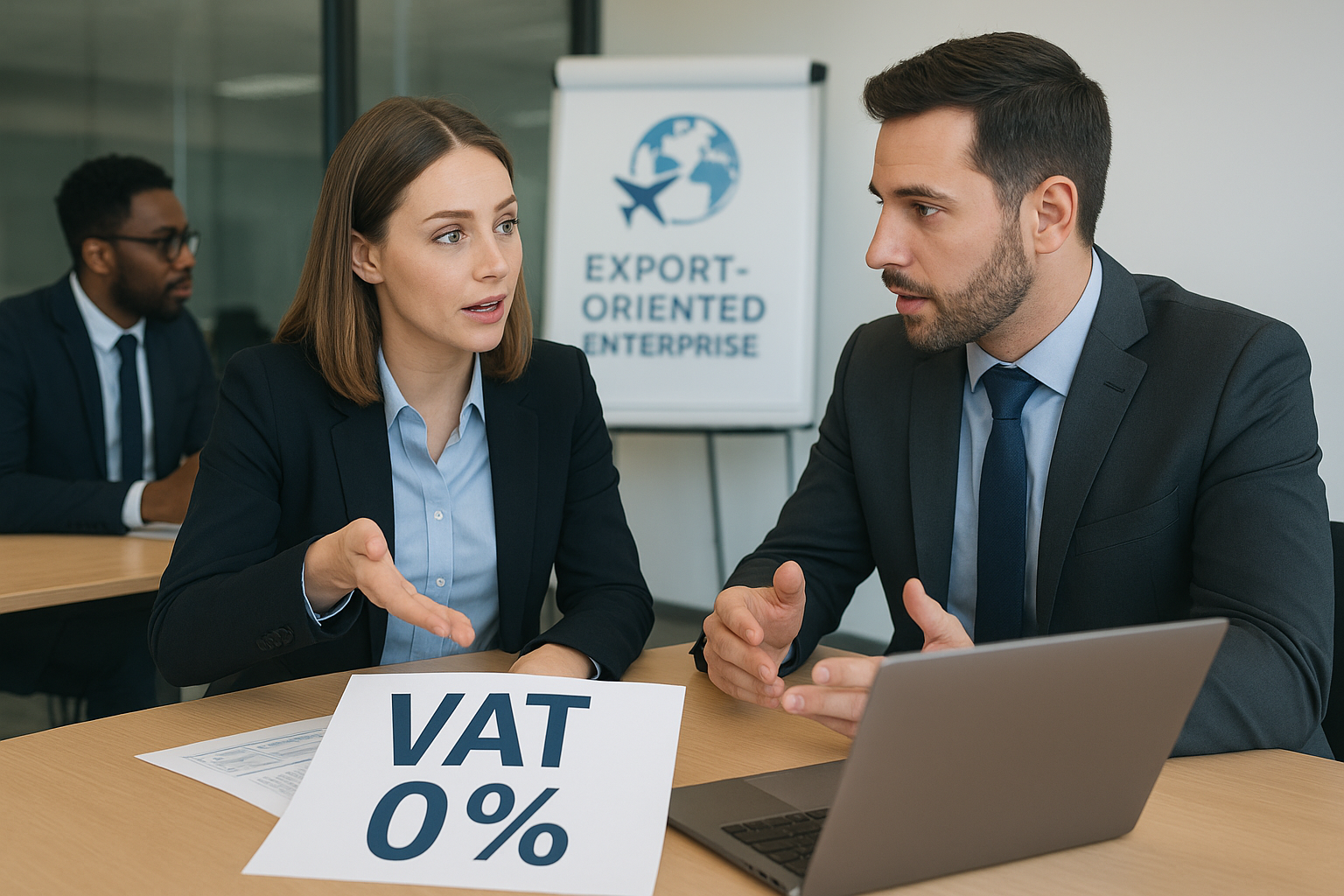 Among the amendments introduced by the CREATE MORE Act (Republic Act No. 12066) relates to the VAT treatment of purchases made by or sales made to export-oriented enterprises (EOEs), as well as importations made by said EOEs.
VAT Treatment: Sales of goods and services to EOEs are subject to VAT at zero percent (0%). This VAT treatment is not new, but prior to the change, the zero-rating was limited only to few transactions. For goods, this was available only for sales of raw materials or packaging materials. And for services, the zero-rating treatment was limited to services performed by subcontractors and/or contractors in processing, converting or manufacturing goods. The modification introduced by CREATE MORE expanded the coverage to include all sales of goods and services.
A new provision added by CREATE MORE is the VAT treatment of importations made by EOEs. Prior to the change, importations by EOEs were subject to the usual VAT. These are now exempted from the coverage of the VAT system.
With these changes, effectively, transactions of EOEs are accorded the same VAT treatment as the registered business enterprises granted tax incentives by investment promotions agencies - even without them actually qualifying and registering for tax incentives.
Conditions for VAT Zero-Rating and VAT Exemption: The VAT zero-rating of sale of goods and services to EOEs and the VAT exemption of importations by EOEs, however, are not without conditions. One important consideration is that the EOE must meet the export sales threshold – at least 70% of total annual production of the preceding taxable year. Based on the implementing regulations, total annual production for goods refers to the volume or sales value of production, manufactured and sold, including mark-up while the total annual production for services refers to the value of services rendered by the EOE.
Aside from meeting the export threshold, the subject (goods or services) of the transaction should be directly attributable - meaning, the goods and services should be incidental to and reasonably necessary – to the export activity of the EOE. For services, these include janitorial, security, financial, consultancy, marketing and promotion services, and services rendered for administrative operations such as human resources, legal and accounting. The enumeration of these types of services in the law implies an inclusive coverage – that is, all types of services, including those consumed for administrative purposes, can be considered incidental and necessary.
Determination of Compliance with the Export Threshold: Compliance by the EOEs with the 70% export sales is mandatory. An EOE that fails to meet this export sales requirement in a year shall not be entitled to VAT zero-rating on local purchases and VAT exemption on importations for the immediately succeeding year.
The Export Marketing Bureau of the Department of Trade and Industry (DTI-EMB) is tasked with the obligation to determine compliance with this export sales threshold – with the mandate to issue certification to qualified EOEs. This certification shall be presented by the EOE to its local suppliers. In fact, local suppliers are not required to separately apply for VAT zero-rating. The certification issued by the DTI-EMB and presented by the EOE to its local suppliers should suffice for purposes of treating the sales by these local suppliers as VAT zero-rated.
Understandably, there are some local suppliers who refuse or are adamant to acknowledge the VAT zero-rating certification issued by the DTI-EMB. This prompted the BIR to issue an advisory on June 11, 2025, reminding local suppliers of EOEs to recognize and honor VAT zero-rating certifications issued by DTI-EMB. If there are concerns, local suppliers may verify or inquire with the DTI-EMB.
EOEs are generally subject to VAT at zero percent, precisely because most, if not all, of their sales are for export (direct and indirect). As a result, there are no output taxes against which input taxes incurred on importations and local purchases are utilized. This results in the accumulation of input taxes, with no option for their recovery – except to apply for refund. Apparently, refund process entails costs and the risk of denial.
Thanks to CREATE MORE, taxpayers which may not be qualified and registered for tax incentives may enjoy the same VAT treatment as the VAT incentives for registered business enterprises, provided they qualify as EOEs. The inclusion of sales by local suppliers to EOEs and importations by EOEs in the list of transactions treated as zero-rated or exempted from VAT provides venue for EOEs to avoid incurring input taxes. That eliminates also the risks and costs associated with the application process for the recovery – through refund - of unutilized input taxes. If you are a taxpayer qualified as an export-oriented enterprise, this option is available to you.
The author is the Managing Partner of Du-Baladad and Associates Law Offices (BDB Law).
The article is for general information only and is not intended, nor should be construed as a substitute for tax, legal or financial advice on any specific matter. Applicability of this article to any actual or particular tax or legal issue should be supported therefore by a professional study or advice. If you have any comments or questions concerning the article, you may e-mail the author at This email address is being protected from spambots. You need JavaScript enabled to view it. or call 8403-2001 loc 310.