




Output VAT Credit
By: Atty. Mabel L. Buted
"Almost two years have passed since the EOPT Act was enacted. I wonder how our taxpayers, especially those engaged in services, are coping with the change in the basis of their reporting for VAT purposes. Are they availing of the output tax credit? Was our government’s objective of easing the paying of taxes fulfilled or was the process made more complicated?"
 Mabel L. Buted +632 8403-2001 loc.160 |
Beginning January 2024, upon the passage of the Ease of Paying Taxes Act (EOPT Act), all taxpayers are mandated to adopt the accrual basis of accounting in reporting and subjecting their revenues to VAT. This rule applies to all taxpayers, whether engaged in the sale of goods or services or both. The intention of the law might have been to align the timing of reporting sales for both income tax and VAT and to subject to VAT all income earned by taxpayers, regardless of receipt. Corollarily, the buyers are entitled to claim input tax credit on their purchases upon purchase, regardless of payment.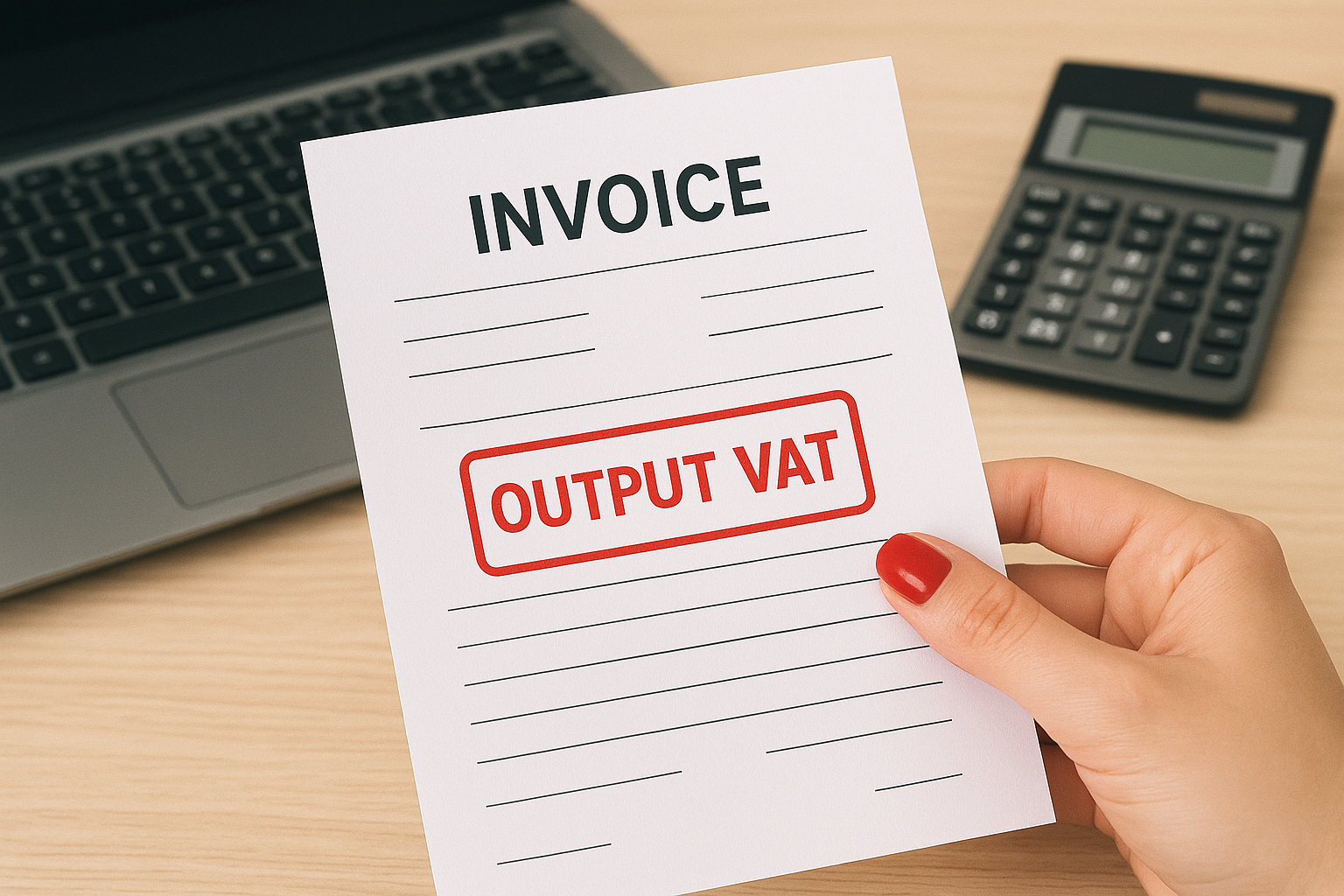
This rule affected primarily those engaged in the sale of services who used to report and subject their sales to output tax only upon collection. Unlike in the sale of goods, payment does not oftentimes coincide with the sale of service. VAT is an indirect tax where the burden is shifted or passed on to the buyer. With this, the sellers of service would most likely advance the payment of VAT.
The law provides the taxpayers a remedy to recover the output taxes paid on uncollected receivables. They can deduct the output VAT previously paid on sales that remained uncollected from the output tax in the next quarter after the lapse of the agreed upon period to pay. So, to avail of this remedy, it is important for the parties to agree on the payment period. This agreement must be put into writing or provided in the invoice. It must be emphasized that the taxpayer must wait for the payment term to end before it can credit the output VAT from its total output tax liability in the succeeding quarter following the lapse of the payment period.
In addition, for the output VAT credit to be valid, the following conditions must be satisfied: (a) the sale must be on credit or on account; (b) the sale must have been specifically reported in the Summary List of Sales of the taxpayer and it must have not been reported as part of "various" sales; (c) the output tax must be declared in the tax return and remitted; (d) the VAT must be separately shown in the invoice; and (e) the VAT component was not claimed as deductible bad debts from the taxpayer’s gross income.
If the seller claims an output VAT credit, the effect should mirror the input tax claim of the buyer. The input tax claimed by the buyer shall not be allowed as input tax credit the moment the seller claims output VAT credit on uncollected receivables. Otherwise, the input tax may be disallowed and the buyer shall be liable for deficiency VAT.
To this end, the seller shall inform the buyer of its claim of output VAT credit. The seller shall stamp “Claimed Output VAT Credit” on the invoice and/or supplementary sales documents and provide to the buyer copies of these documents. In case of partial payment, the seller should indicate the amount collected and uncollected balance.
In case of recovery or payment of the uncollected receivables later, the output VAT previously credited by the seller shall be added to its total output tax liability during the period of recovery. The seller will stamp the word “Recovered” in the invoice and/or “Recovery of Previously Reported Uncollected Receivable” in the supplementary document, and provide copies of these documents to the buyer. In turn, the buyer can claim again as input tax credit the VAT paid on the purchase. In case of partial recovery, the seller must also indicate the amount collected.
The remedy for claiming output VAT credit is only optional on the part of the sellers.
Almost two years have passed since the EOPT Act was enacted. I wonder how our taxpayers, especially those engaged in services, are coping with the change in the basis of their reporting for VAT purposes. Are they availing of the output tax credit? Was our government’s objective of easing the paying of taxes fulfilled or was the process made more complicated?
The author is a partner of Du-Baladad and Associates Law Offices (BDB Law).
The article is for general information only and is not intended, nor should be construed as a substitute for tax, legal or financial advice on any specific matter. Applicability of this article to any actual or particular tax or legal issue should be supported therefore by a professional study or advice. If you have any comments or questions concerning the article, you may e-mail the author at This email address is being protected from spambots. You need JavaScript enabled to view it. or call 8403-2001 local 160.